Salt Point Weather
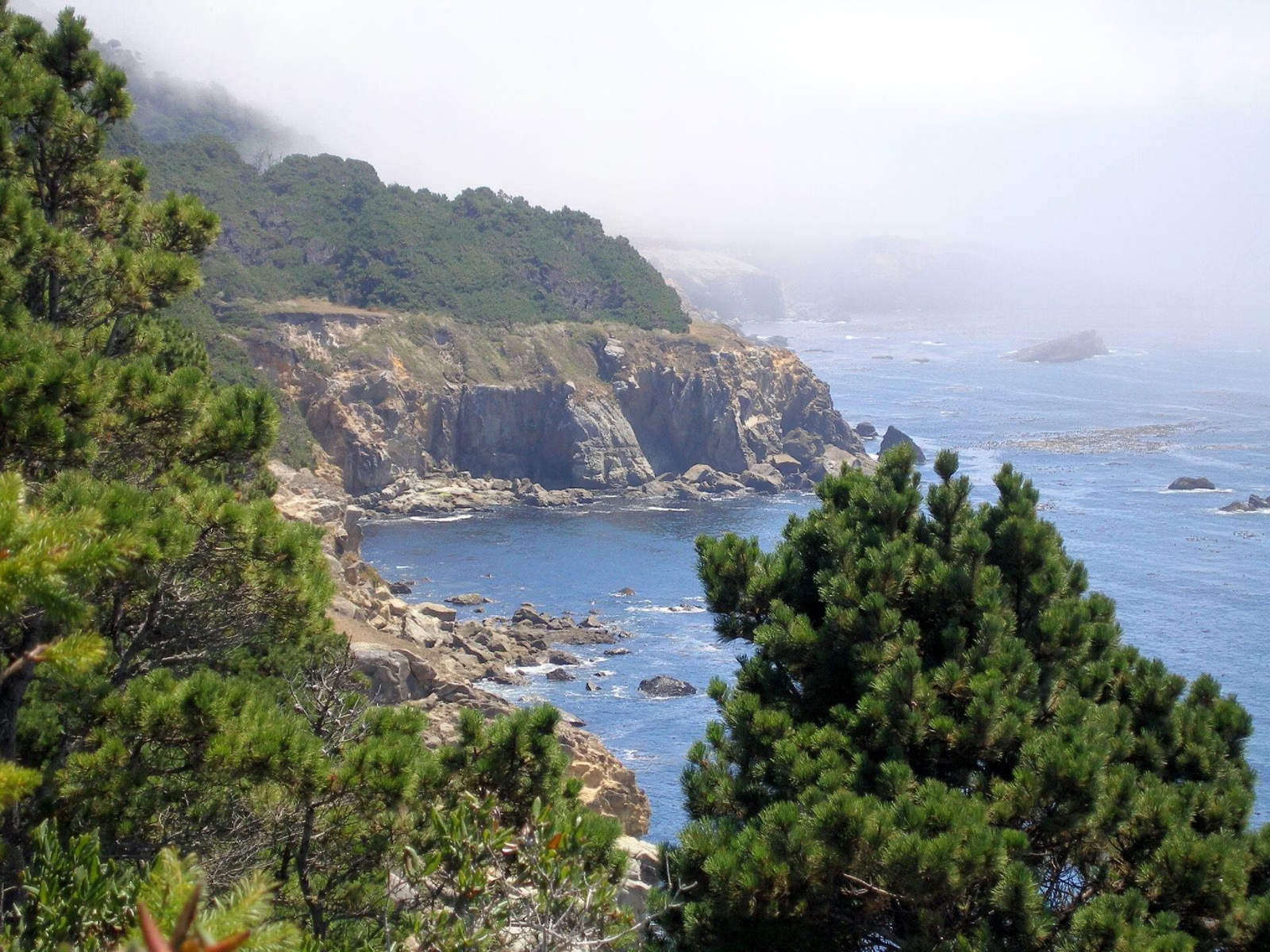
Salt Point weather is cool and changeable all year. NOAA normals for Fort Ross, the nearest weather station, give summer highs in the mid-60s °F and winter highs in the upper 50s, with lows around 42 to 50. November through March brings about four-fifths of the year's rain; June through September get less than an inch a month. California State Parks warns that fog and ocean wind can make even summer days chilly, so pack layers whatever the season.
Salt Point Weather Today
- ForecastLoading...
- Wind and rain chanceLoading...
- Sunrise and sunsetLoading...
Forecast: National Weather Service. Read in your browser, nothing stored.Full forecast at weather.gov
Weather at a Glance
Summer: Cool and Often Foggy
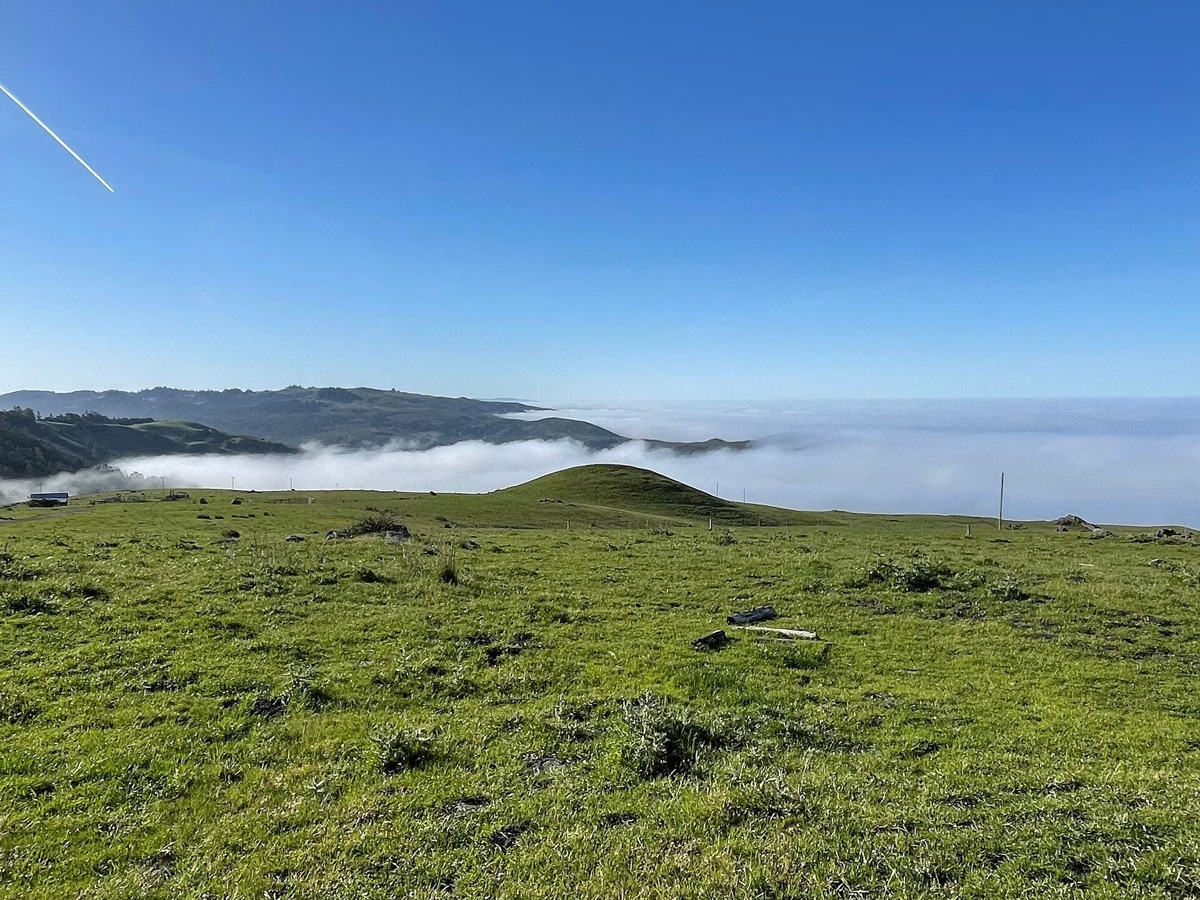
June to September are the driest months, with normal highs of 66 to 67 °F at Fort Ross and almost no rain. State Parks says fog hugs the coastline and ocean winds chill the air even in summer; the park brochure (PDF) gives about 64 degrees for a typical cool, foggy summer day. Bring a warm layer and a windbreaker for the bluff trails, even in July.
Fall: Rain Returns
October still averages a 66 °F high but gets about 2 inches of rain, up from almost none in September, and Woodside Campground stays open through October. November brings the first real storms, with about 4 inches of rain on average.
Winter: Mild and Wet
December is the wettest month, with about 8.4 inches of rain, and January and February bring around 7 inches each. Highs stay in the upper 50s and lows near 42; the park brochure describes winters as mild and wet with average temperatures in the low 40s. Gerstle Cove Campground stays open through winter. Gray whales pass the coast in winter and spring. One State Parks page gives December to April; the brochure and info sheet (PDF) give November to January heading south and February to April heading north.
Spring: Wind and Wildflowers
Rain tapers off in March and April (5.2 and 2.9 inches), and spring brings the Kruse rhododendron bloom from about mid-April to mid-June. Bull kelp starts growing offshore in spring, though State Parks says none is visible from shore in April.
Ocean Conditions
Calm weather doesn't mean a calm ocean. State Parks warns that rogue waves can sweep people off the rocks in every season and every ocean condition, and that the water is cold, swift and unforgiving. Check the marine forecast as well as the land forecast, and stay back from the edge on the bluffs.
Salt Point Weather by Month
NOAA normal highs, lows and rain at Fort Ross, with campground seasons, whales and bloom from the State Parks pages.
Best time: June through September are the driest months, and both campgrounds are open from May through October, the months both State Parks sources give for Woodside. Come April to June for the Kruse rhododendrons, or November to April for gray whales (State Parks pages differ on the exact months).
| Month | High / Low | What's Open & On |
|---|---|---|
| Jan | 57° / 42°7.2" precip |
|
| Feb | 59° / 42°7" precip |
|
| Mar | 59° / 42°5.2" precip |
|
| Apr | 60° / 43°2.9" precip |
|
| May | 62° / 45°1.6" precip |
|
| JunBest | 66° / 46°0.5" precip |
|
| JulBest | 66° / 48°0" precip |
|
| AugBest | 67° / 50°0.1" precip |
|
| SepBest | 67° / 48°0.2" precip |
|
| Oct | 66° / 47°2" precip |
|
| Nov | 61° / 44°4.2" precip |
|
| Dec | 57° / 42°8.4" precip |
|
Sources: NOAA NCEI 1991–2020 normals (Fort Ross, the nearest normals station, on the coast south of the park), public domain; California State Parks: Salt Point camping information (Woodside season); California State Parks: Salt Point day use (bikes, rhododendron peak); California State Parks: Kruse Rhododendron SNR (bloom window); California State Parks: Plants and Animals of Salt Point (whales, kelp). Temperatures are 30-year averages, not a forecast. Temperatures are from the Fort Ross weather station, about 6 miles southeast on the coast. State Parks warns that fog and ocean wind keep even summer days cool, so bring layers.
Salt Point Weather FAQ
What is the weather like at Salt Point State Park?
Cool all year. NOAA normals at Fort Ross, the nearest station, show summer highs of 66 to 67 °F and winter highs of 57 to 59 °F, with lows from about 42 to 50 °F. Fog is common, even in summer, and most rain falls from November to March.
Which month is best for a Salt Point trip?
For dry weather, June through September, when rain averages under an inch a month and both campgrounds are open. May is best for the Kruse rhododendrons, and winter to spring for gray whales (State Parks gives December to April on one page, November to January southbound and February to April northbound on others).
Does it rain a lot at Salt Point?
In winter, yes. December averages about 8.4 inches at Fort Ross, and January and February about 7 inches each. Summer is nearly dry: July averages close to zero.
Facts checked against the California State Parks page for Salt Point State Park on November 20, 2026.