Kruse Rhododendron Reserve
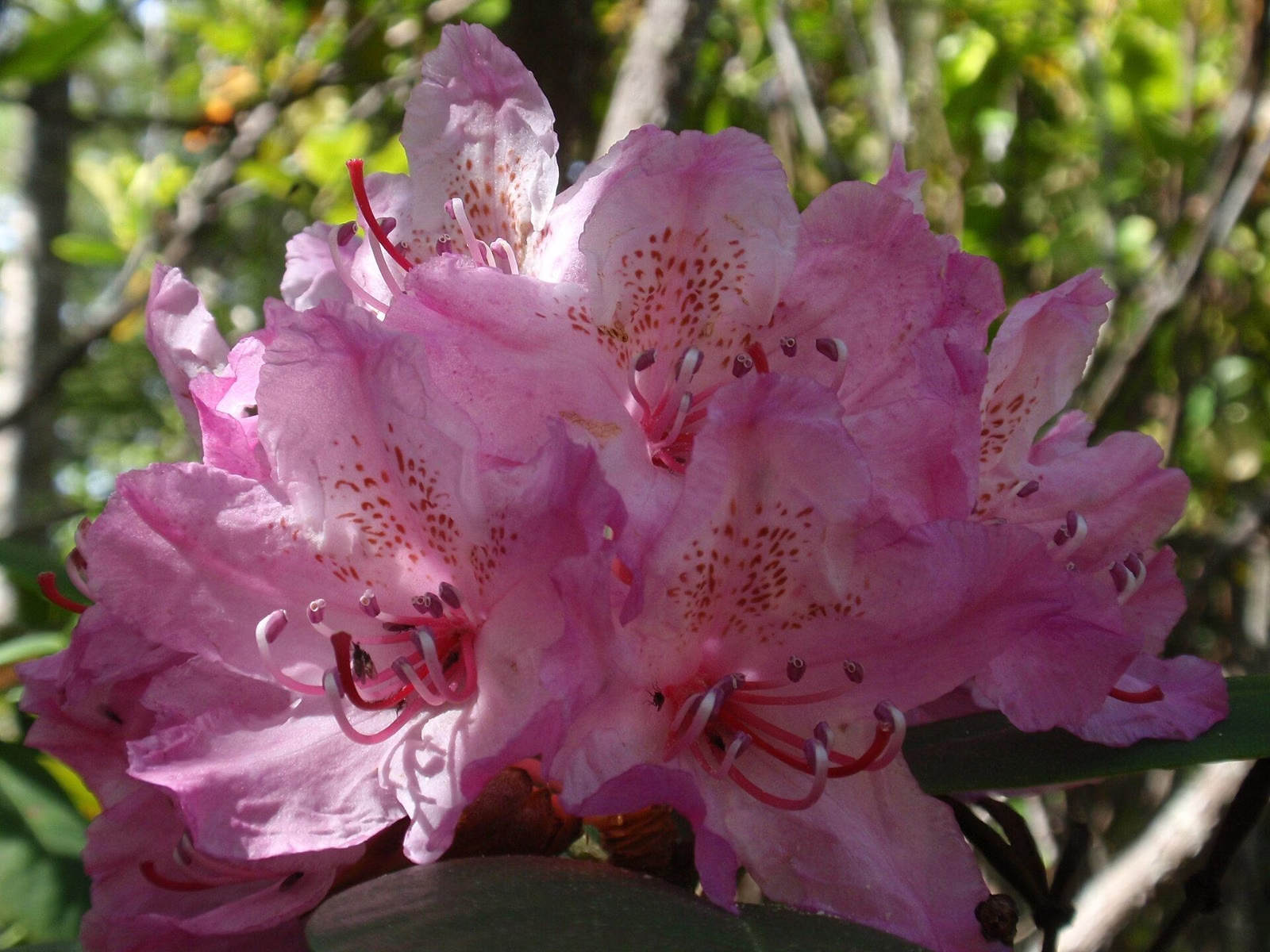
Kruse Rhododendron State Natural Reserve is a California State Parks reserve next to Salt Point State Park, where Pacific rhododendrons bloom pink under second-growth redwoods. State Parks gives the bloom as roughly mid-April to mid-June, and Salt Point's day-use page puts the peak in May. The entrance is about a mile up Kruse Ranch Road from Highway 1, and the short Rhododendron Loop reaches the thickest stands in under ten minutes.
Kruse Reserve Facts
When the Rhododendrons Bloom
Three State Parks sources line up closely:
- Kruse reserve page: "Roughly from mid-April to mid-June."
- Salt Point day-use page: the peak is during May.
- 2025 info sheet (PDF): pink blossoms appear in late April.
Bloom timing shifts with the weather from year to year. For the best odds, plan for May.
The Trails
The reserve page says more than two miles of trails wind through the forest; the 2025 info sheet and the older brochure (PDF) say three miles. Two named routes:
- Rhododendron Loop: the short loop through the densest clusters, which State Parks says you can see in less than 10 minutes.
- Chinese Gulch / Phillips Gulch Loop: 2 miles total, deeper into the canyons, where ferns cover the slopes and seasonal streams run.
Besides rhododendron, look for salal, Pacific wax myrtle and California huckleberry in the understory, under redwood, Douglas fir, grand fir and tanoak. State Parks asks visitors to stay on the trails so young plants can grow.
Why the Rhododendrons Are Here
The reserve's rhododendrons spread after a severe fire, as part of normal plant succession. Left alone, the regrowing forest would slowly crowd them out. To keep the bloom, State Parks began thinning tanoaks and pruning the rhododendrons in fall 1979, finished the main pruning in fall 1981, and saw a clear jump in flowers by 1984.
History
Edward P. Kruse gave the land to the people of California in 1933 in memory of his father, a founder of San Francisco's German Bank. It had been part of a ranch established in 1880, where the Kruse family raised sheep, logged and harvested tanbark.
Getting There
From Jenner, drive north on Highway 1 to Kruse Ranch Road (State Parks gives about 21 miles on the reserve page; the Salt Point brochure says 22.5). Turn east and go about one mile to the entrance. The reserve shares Salt Point's phone, (707) 847-3221.
Rules
- No mushroom foraging anywhere in the reserve. It is a protected natural reserve, and State Parks repeats this in capital letters.
- No bicycles on the trails.
- Pets: the Kruse page's quick-facts box answers "Are dogs allowed?" with "Yes," but the same page's rules say pets and bicycles are not permitted on the trails, as do the Salt Point info sheet and brochure. Plan on leaving dogs off the trails.
- No drones in any Sonoma-Mendocino Coast District park.
Kruse Rhododendron Reserve FAQ
When do the rhododendrons bloom at Kruse Rhododendron Reserve?
State Parks gives roughly mid-April to mid-June, with the peak in May. The 2025 Salt Point info sheet says pink blossoms appear in late April. Timing varies with the year's weather, so May is the safest bet.
How long is the Kruse Rhododendron Loop?
State Parks doesn't give a length, but says you can see the thickest rhododendron stands on the Rhododendron Loop in less than 10 minutes. For a longer walk, the Chinese Gulch / Phillips Gulch Loop is 2 miles total.
Can you forage mushrooms at Kruse Rhododendron Reserve?
No. Mushroom foraging is not allowed anywhere in Kruse Rhododendron State Natural Reserve, which is a protected natural reserve. Foraging is allowed in parts of neighboring Salt Point State Park under a 2-pound daily limit.
Are dogs allowed at Kruse Rhododendron Reserve?
Not on the trails. The Kruse page's rules, the Salt Point info sheet and the brochure all say pets are not permitted on the trails, though the page's quick-facts box says dogs are allowed. Call (707) 847-3221 if you need a firm answer.
Facts checked against the California State Parks page for Salt Point State Park on November 20, 2026.